
Leather vs. Synthetic Gloves: Which Material Is Right for Your Product?
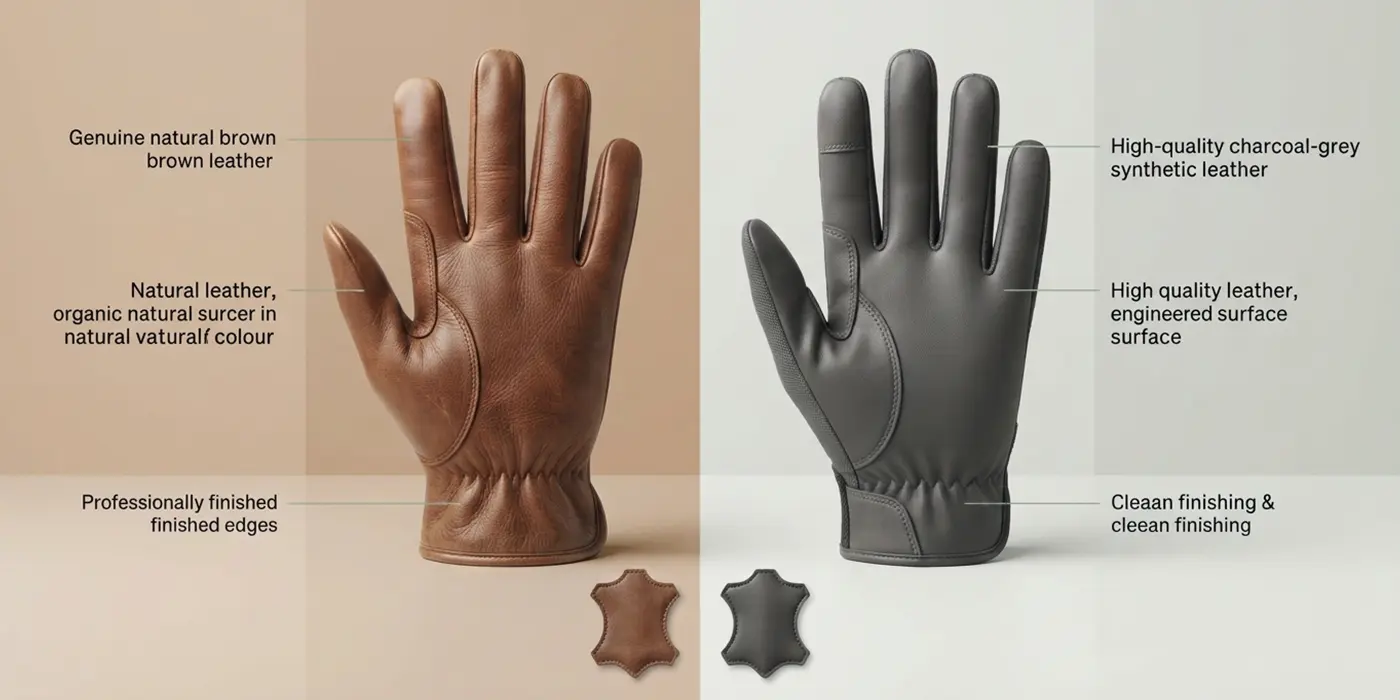
Choosing between leather and synthetic leather is not a matter of finding one “better” material. It is a product-development decision based on the glove’s intended use, required protection, comfort expectations, appearance, cleaning needs, and target market.
For glove brands, importers, wholesalers, and retailers, the most useful question is not “Which material is stronger?” but “Which material performs best for this specific glove, in this specific environment, at this target price point?” Material grade, thickness, coating, backing fabric, tanning or finishing treatment, and stitching all affect real-world performance.ccohs+1
What Is Natural Leather?
Natural leather is made from animal hide that has been preserved and treated through tanning. It is a fibrous, organic material with a structure that can provide flexibility, softness, breathability, and resistance to tension, puncture, and abrasion.ccohs+1
Leather is not a single standardized material. Cowhide, goatskin, pigskin, deerskin, and split leather can behave differently because of their source, thickness, grain structure, tanning method, and finishing. A thin, soft goatskin driving glove and a thick split-cowhide rigger glove may both be “leather,” but they are designed for very different jobs.guidegloves+1
One important limitation is moisture. Leather can absorb water, and its mechanical properties may change when wet. This is why leather is often excellent in dry, abrasive conditions but needs careful consideration for prolonged wet work.pharesst.irsst.qc+1
Common Types of Leather Used in Gloves
The most common leathers used in glove production include:
- Cowhide: A durable, relatively thick leather commonly used for heavy-duty work gloves, rigger gloves, and welding-related applications.
- Goatskin: Soft, pliable, and often used where a balance of dexterity and durability is needed.
- Deerskin: Known for a soft, flexible feel and is often used in premium driving, motorcycle, and fashion-oriented gloves.
- Split leather: Made from the lower layer of the hide. Its rougher surface can provide grip and insulation, but it is generally more porous and less resistant to moisture than smoother grain leathers.guidegloves
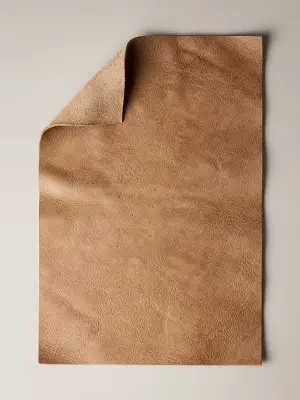
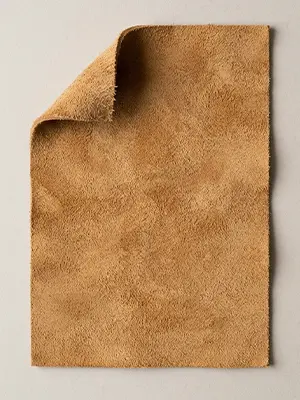
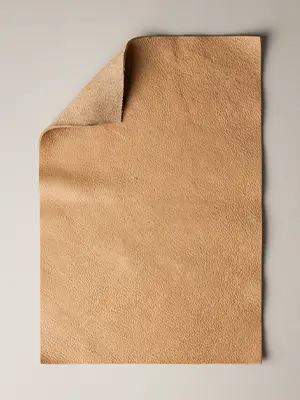
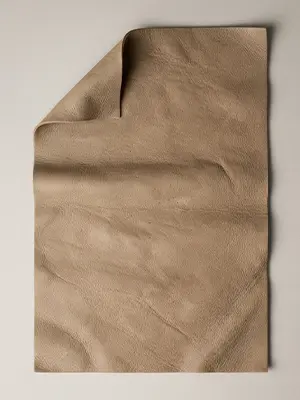
These descriptions describe broad material tendencies, not guarantees. Two cowhide gloves with the same animal source can differ substantially if one is thin and garment-grade while the other is thick, heavily finished, and reinforced.
What Is Synthetic Leather?
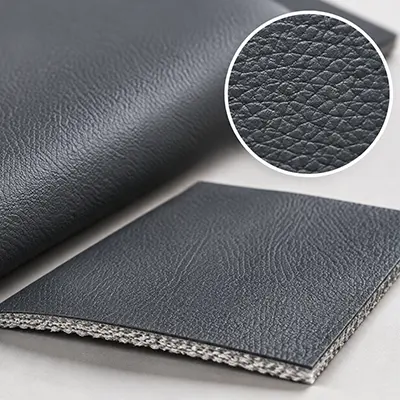
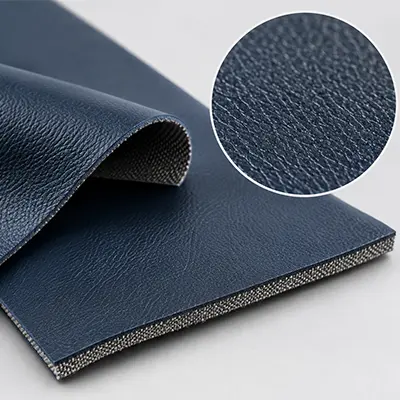
Synthetic leather is an engineered material designed to resemble natural leather in appearance, texture, or performance. It is usually made by applying a polymer layer or combining polymer fibers with a textile backing such as polyester or polyamide.pharesst.irsst.qc+2
Synthetic leather is not the same as a textile glove. A knitted polyester glove, a coated knit glove, and a microfiber synthetic-leather glove may all contain synthetic fibers, but they are different product categories with different structures and uses.pharesst.irsst.qc+1
The main advantage of synthetic leather is consistency. Because it is engineered, manufacturers can control its appearance, thickness, color, surface finish, and construction more precisely than with natural hide. However, its durability, flexibility, breathability, and ageing behavior depend heavily on formulation and manufacturing quality.pharesst.irsst.qc+1
PU, PVC, and Microfiber Explained
Polyurethane (PU)
PU is a flexible polymer that can be used as a coating on a knitted liner or as part of a synthetic-leather construction. In glove applications, PU is often chosen when a thin, pliable surface is needed for dexterity and tactile sensitivity.guidegloves+2
PU-coated gloves can provide good grip in dry conditions and, depending on the coating formulation and surface texture, useful grip in damp conditions. PU can also remain flexible at low temperatures, though this is not a universal guarantee across every PU formulation.guidegloves+2
Polyvinyl Chloride (PVC)
PVC is a plastic material commonly used in coated gloves and some lower-cost synthetic-leather products. It can provide good durability and grip in both dry and wet environments, and it is often used where resistance to water-based chemicals is required.guidegloves+2
PVC generally does not breathe like natural leather, and it can be less flexible than PU in some constructions. Its chemical resistance is highly specific: it may perform well against certain aqueous chemicals but has limited resistance to many organic solvents. Chemical suitability must always be confirmed against the actual chemical, concentration, temperature, and exposure duration.ccohs+2
Microfiber Synthetic Leather
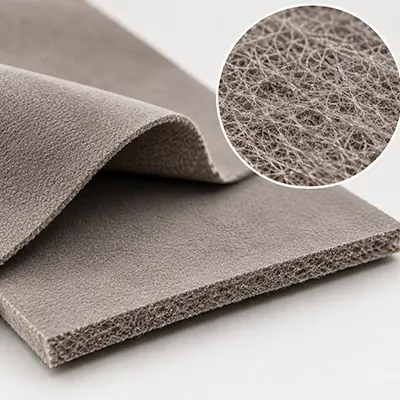
Microfiber synthetic leather uses very fine synthetic fibers, often polyester or polyamide, combined with a polymer system and a textile backing. It is designed to mimic the hand feel and structure of natural leather more closely than basic coated fabrics.guidegloves+2
Microfiber can offer a soft feel, good flexibility, and a premium appearance. Its actual abrasion resistance, tear strength, breathability, and ageing behavior vary significantly by fiber density, polymer formulation, backing, coating, and finishing. Buyers should request technical data sheets and sample testing rather than relying on generic material names.westchestergear
PU-coated gloves can provide good grip in dry conditions and, depending on the coating formulation and surface texture, useful grip in damp conditions. PU can also remain flexible at low temperatures, though this is not a universal guarantee across every PU formulation.guidegloves+2
Natural Leather vs. Synthetic Leather
Factor | Natural leather | Synthetic leather |
Origin | Tanned animal hide | Polymer-based material, often on a textile backing |
Typical feel | Natural grain, may soften and adapt with use | Can be engineered for a consistent surface and hand feel |
Breathability | Often breathable, though finishing and lining affect this | Varies widely; PU and microfiber can be more breathable than PVC, but generally less breathable than natural leather |
Moisture behavior | Can absorb water; mechanical properties may change when wet | Often more water-resistant, especially PU and PVC constructions |
Flexibility | Depends on hide type, thickness, and tanning | Depends on polymer, coating thickness, and backing |
Abrasion resistance | Often strong, particularly in thicker work-grade leathers | Can be strong, but varies substantially by grade and construction |
Grip | Often good in dry conditions; can change when wet | Can be engineered for dry or wet grip, depending on surface treatment |
Consistency | Natural variation between hides and batches | More controllable in appearance, color, and surface finish |
Maintenance | Usually needs more careful cleaning and conditioning | Often easier to wipe clean, though care instructions vary |
Cost positioning | Often positioned as premium, but varies by hide and grade | Can range from economical PVC to premium microfiber |
These are general tendencies, not performance guarantees. The IRSST material-selection guide describes natural leather as flexible, soft, breathable, and resistant to tension, puncture, and abrasion, while noting that it can absorb moisture and vary in quality. It describes traditional synthetic leather as generally water-insensitive but less breathable and potentially less flexible or durable over time.pharesst.irsst.qc
Performance Factors That Matter
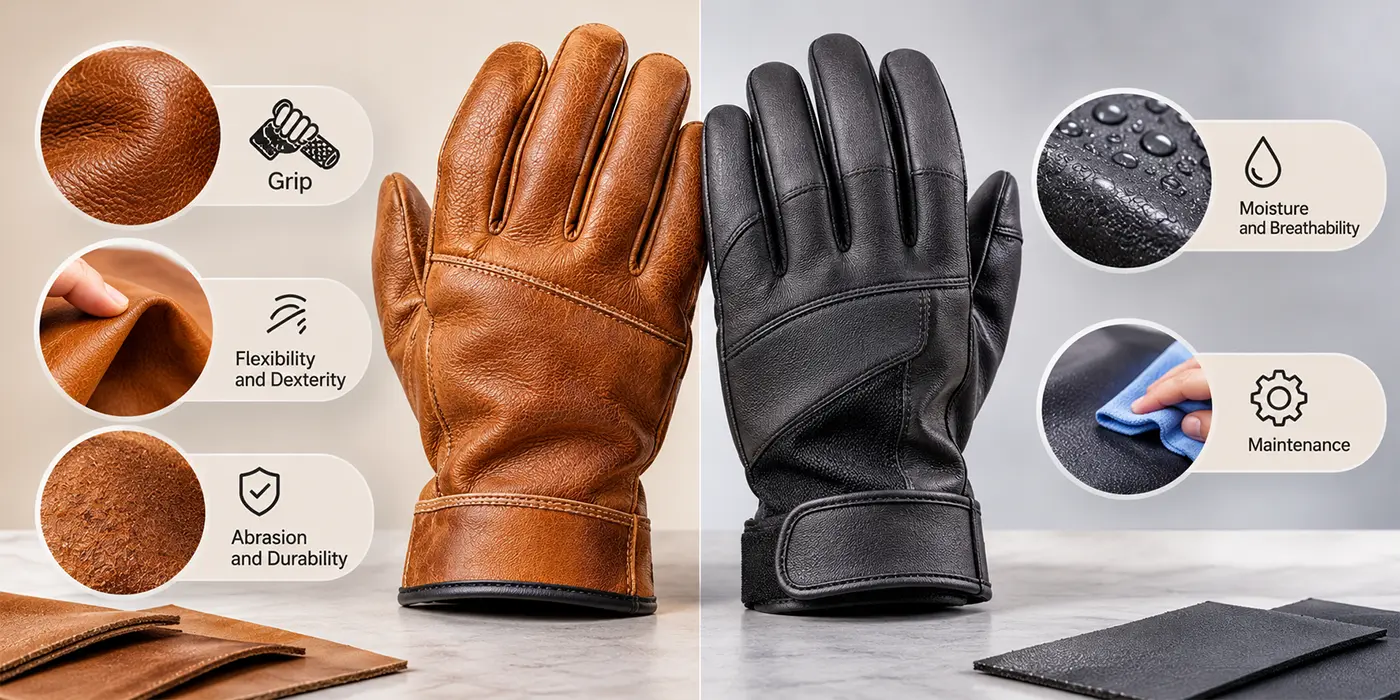
Grip
Grip depends on more than the base material. Surface texture, palm coating, moisture, oil, temperature, and glove construction all influence whether a glove maintains control.
Leather may provide dependable dry grip, particularly in work-style gloves. Synthetic materials can be engineered with textured surfaces, coatings, or patterns to improve grip in specific conditions. For wet or oily environments, the palm coating—not simply whether the glove is “leather” or “synthetic”—is often the decisive factor.ccohs+2
Flexibility and Dexterity
Dexterity is the ability to move fingers and feel objects accurately. It is especially important for assembly work, mechanics, precision handling, driving, and touchscreen use.
Thin PU coatings and fine microfiber constructions can support high dexterity. Thick split cowhide may be more protective but less nimble. The correct choice depends on whether the product must prioritize protection or fine motor control.ccohs+2
Abrasion and Durability
Abrasion resistance describes how well a material withstands rubbing, scraping, and repeated contact with rough surfaces. Leather is widely used in abrasion-prone applications, but synthetic materials can also perform well when properly engineered.ccohs+2
Durability is not determined by material category alone. Stitching, seam design, reinforcement panels, liner quality, coating adhesion, and how the glove is used all affect service life.
Moisture and Breathability
Moisture management is critical for comfort. Leather can breathe, but it may absorb water and become heavier or change behavior when wet. Traditional synthetic leather, particularly PVC-based constructions, generally does not breathe well.pharesst.irsst.qc+1
PU and microfiber materials may offer better breathability than PVC, especially when laminated to a fine textile backing. Still, breathability should be evaluated through the complete glove system, including lining, stitching, cuff design, and ventilation features.guidegloves+1
Maintenance
Leather often requires more careful cleaning and conditioning to preserve suppleness and appearance. Synthetic leather is frequently easier to wipe clean, but cleaning requirements depend on the polymer, coating, and manufacturer instructions.pharesst.irsst.qc+1
For commercial buyers, maintenance affects more than consumer convenience. It influences product presentation, return rates, cleaning procedures, and perceived product lifespan.
Which Material Suits Different Applications?
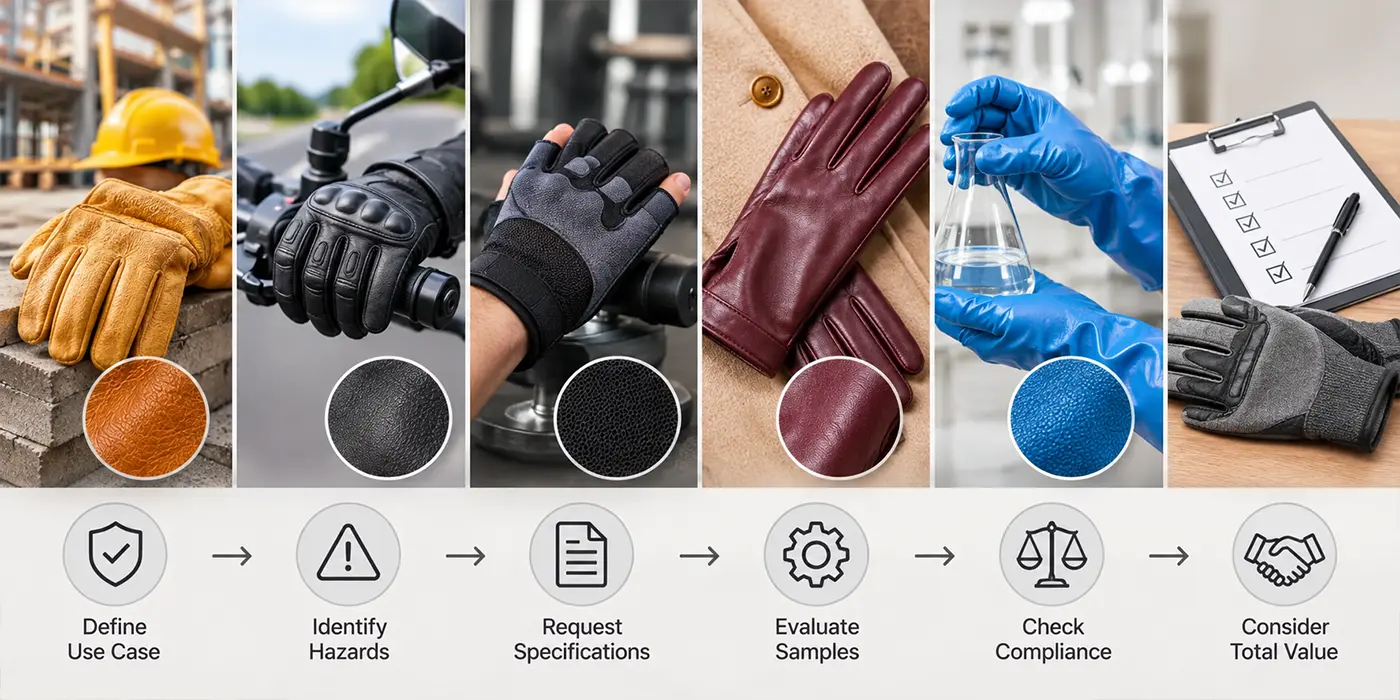
Heavy-Duty Work Gloves
For construction, rigging, material handling, and other abrasive tasks, leather—especially thicker cowhide or split leather—is commonly selected for its toughness and abrasion resistance. The exact choice should still reflect the hazard, required dexterity, and applicable safety standards.ccohs+2
Driving and Motorcycle Gloves
Goatskin, deerskin, and fine-grain leathers are often chosen for their softness, flexibility, and premium feel. Synthetic leather can also work well when a consistent appearance, easier cleaning, or a specific color range is important.
Sports and Fitness Gloves
Synthetic leather, particularly PU or microfiber constructions, is common where consistent appearance, easy cleaning, and controlled production are priorities. Leather remains relevant for premium products where natural texture, break-in feel, and traditional positioning matter.
Fashion and Lifestyle Gloves
Both materials can work. Natural leather may support a premium, traditional look, while synthetic leather offers more consistent color matching, surface finishing, and design flexibility.
Wet or Chemical-Exposure Applications
Neither “leather” nor “synthetic leather” should be selected based on category alone. For chemical exposure, buyers need to identify the exact chemical, contact type, duration, temperature, and required protection level. PVC may be suitable for certain water-based chemicals but is limited against many organic solvents.ccohs+2
How Buyers Should Choose the Right Material
A practical selection process should include:
- Define the use case. Identify the environment, temperature, moisture exposure, abrasion level, and required dexterity.
- Identify all hazards. Consider cuts, abrasion, puncture, heat, cold, chemicals, impact, and grip requirements.ccohs
- Request material specifications. Ask for thickness, backing type, coating type, finish, lining, and relevant test data.
- Evaluate samples in real conditions. Test fit, grip, flexibility, comfort, cleaning, and durability under conditions similar to end use.
- Check compliance requirements. Confirm applicable standards for the destination market and intended use.
- Consider total product value. A lower-cost material may not be the best value if it compromises comfort, appearance, durability, or customer satisfaction.
Conclusion
Leather and synthetic leather each have a role in glove development. Leather can offer natural breathability, flexibility, and strong abrasion performance, while synthetic leather can provide consistency, design flexibility, water resistance, and easier cleaning. The right choice depends on the glove’s purpose—not on a universal ranking.ccohs+2
For brands developing a new glove line, the most reliable approach is to combine material knowledge with practical sampling and testing. Sposial supports OEM and ODM glove customization, helping brands evaluate material options, constructions, and product requirements for their target market.